
Small Space Living: How Factories Are Redefining Compact Custom Cabinets for Urban Apartments
1. The Engineering Behind Compact Custom Cabinets
- Modular Mastery: Factories now design cabinets as interlocking "building blocks." For example, a 24-inch base module can transform into a TV stand, shoe rack, or kitchen island via reversible panels.
- Vertical Optimization: Tall, narrow cabinets (e.g., 90" height x 12" depth) leverage unused vertical space. Robotic assembly lines precisely drill shelves at 1" intervals for adjustable storage.
- Foldable Mechanisms: Hydraulic hinges and sliding rails enable cabinets to collapse flat (e.g., dining tables folding into wall units) without sacrificing durability.
2. Material Innovations for Space Efficiency
- Honeycomb Panels: Lightweight aluminum frames filled with paper/plastic honeycomb cores reduce weight by 60% while maintaining strength—ideal for ceiling-mounted cabinets.
- Thin-Film Surfaces: Nano-coated MDF boards resist scratches at just 3mm thickness, allowing slim profiles without warping.
- Recycled Composites: Factories repurpose plastic waste into 3D-textured cabinet doors, combining sustainability with unique aesthetics.
3. Smart Integration: Cabinets That Adapt to You
- IoT Sensors: Motion-activated LED strips in cabinets auto-adjust brightness. Load sensors in drawers trigger alerts if overfilled (preventing sagging).
- App-Controlled Configurations: Bluetooth-enabled hinges let users reconfigure cabinet layouts via smartphone (e.g., swapping shelves for hangers).
- Climate Control: Compact dehumidifiers embedded in kitchen cabinets prevent mold in humid urban climates.
4. Factory-Driven Design Trends for 2025
- "Invisible" Storage: Mirrored cabinet doors, under-floor drawers, and staircase-step compartments.
- Multi-Functional Surfaces: Countertops doubling as charging stations (wireless pads) or induction cooktops.
- Cultural Fusion: Factories blend Scandinavian minimalism with Asian space-saving tactics (e.g., tatami-inspired pull-out beds).
5. Case Study: Tokyo’s Micro-Apartment Revolution
Tokyo’s 1K apartments (avg. 194 sq.ft) are a testing ground for compact cabinets. Local factories like Sansan use:
- Laser-Cutting Precision: Custom cabinets fitting around columns and sloped ceilings.
- Subscription Models: Renters lease modular units that adapt to lifestyle changes (e.g., student → young professional).
- Community Workshops: Residents co-design cabinets with engineers via VR platforms.
6. Challenges & Industry Responses
- Cost Barriers: Advanced mechanisms raise prices by 20–30%.
Solution: Factories offer "basic" tiers (manual sliding doors) alongside premium smart options. - Installation Complexity: Urban apartments often lack delivery access.
Solution: Flat-pack designs with QR-code assembly guides (e.g., IKEA’s 2025 "EasyBuild" line). - Aesthetic-Function Trade-offs: Slim cabinets may lack visual appeal.
Solution: Digital printing mimics wood grain or marble on thin panels.
7. Thge Future: Cabinets as Urban Ecosystems
- Energy Harvesting: Cabinet handles with kinetic energy converters (powering LEDs).
- AI Learning: Cabinets track usage patterns to auto-suggest reorganizations (e.g., "Move winter clothes to under-bed storage").
- Circular Design: Factories lease cabinets, refurbishing/upgrading them for new tenants.
Conclusion
Compact custom cabinets are no longer a compromise but a design revolution. By merging robotics, sustainable materials, and user-centric engineering, factories are turning small spaces into functional, adaptable sanctuaries. As urban populations grow, these innovations will define the future of home living—proving that limitations breed the most creative solutions.
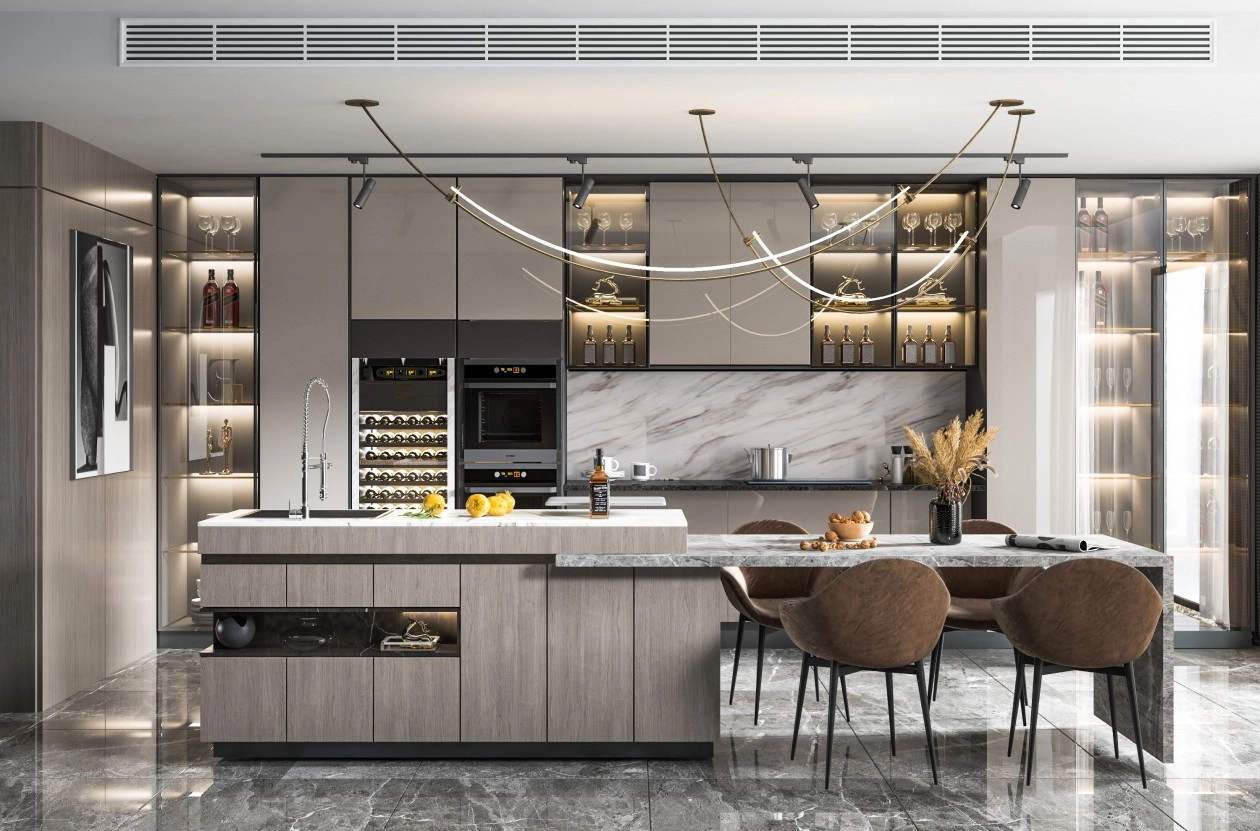
Maintenance Tips to Keep Your Custom Luxury Kitchen Cabinets Looking Brand New
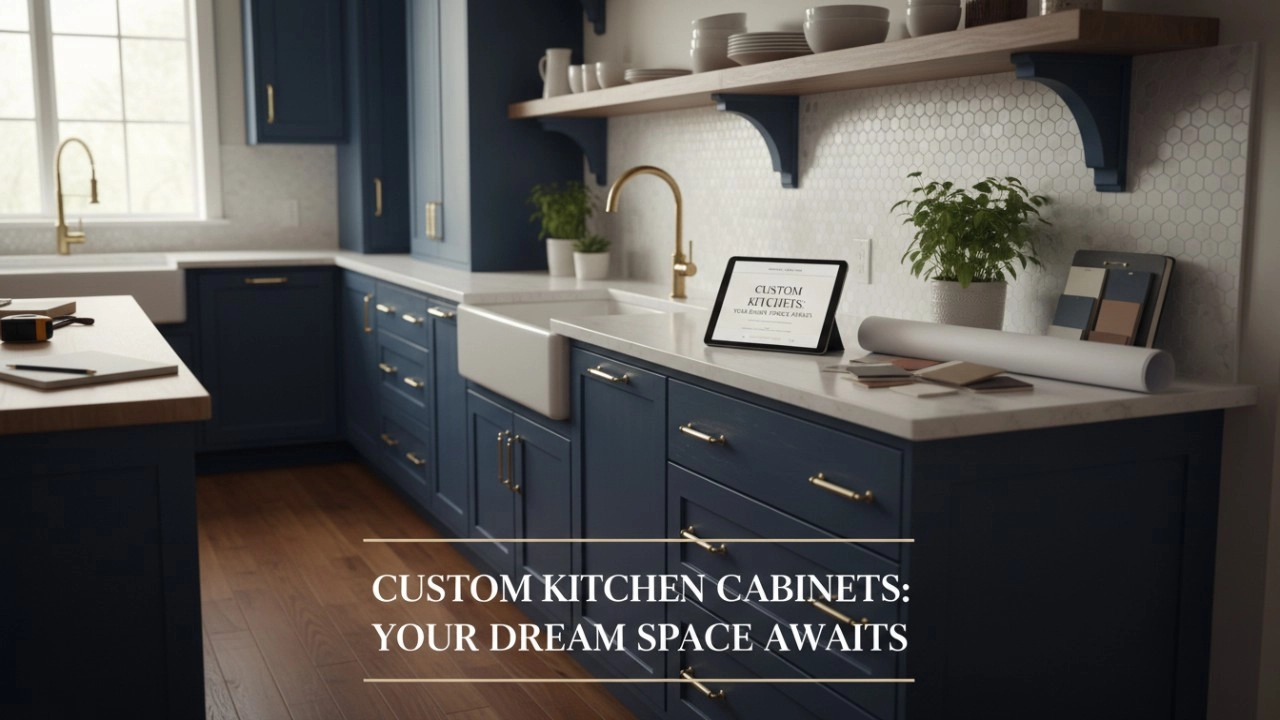
Custom Made Kitchen Cabinets vs. High-End Semi-Custom: The Definitive Quality & Durability Showdown (2026 Guide)

12 Reasons Why Custom Solid Wood Kitchen Cabinets Are the Only Investment That Truly Adds Value to Your Home
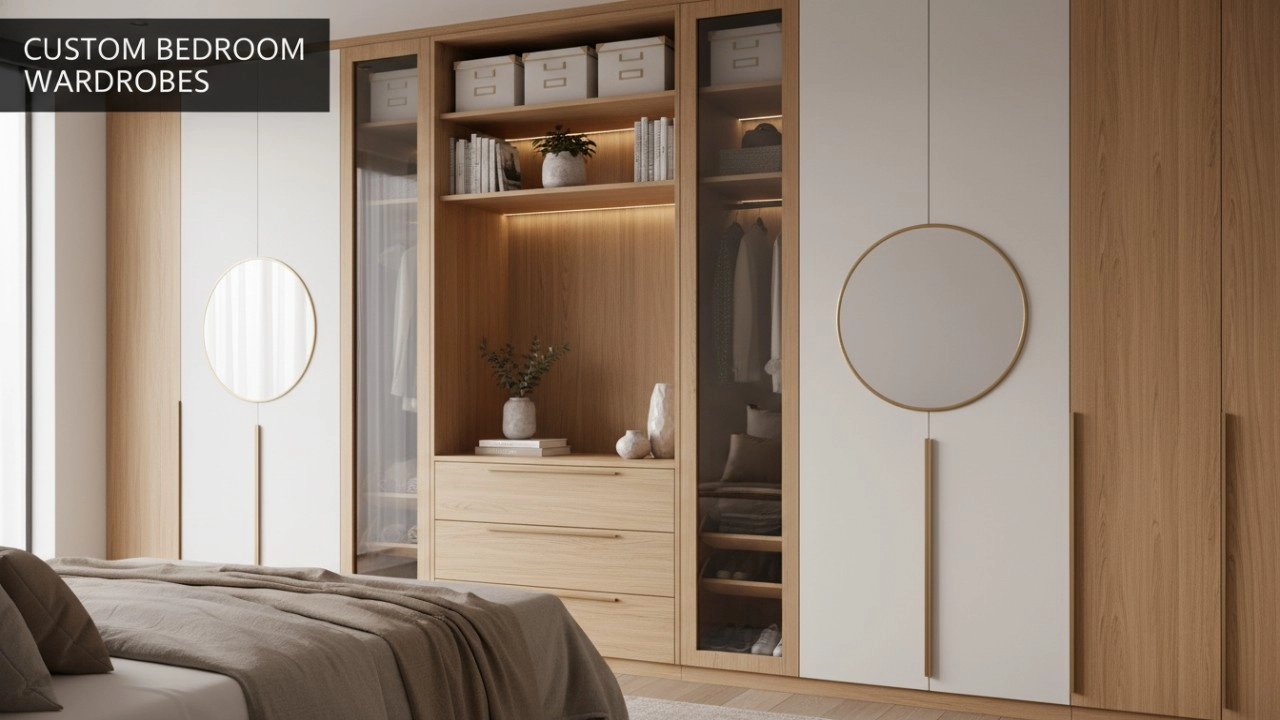
Bespoke Luxury: 7 Modern Trends in Custom Made Bedroom Wardrobes That Are Going Viral
FAQ
What's lead time for furniture cabinets?
It's about 20 - 30 days.
Can we produce products according to customer's room size?
Yes. All our cabinets are custom size.
What information are needed for getting a quote for our furniture cabinets?
Your size infomation or room drawings.
What's the payment terms of all our products?
T/T (30% inadvance, the balance shall be paid off before delivery), Western Union or L/C.
Can we ship the furniture cabinets to customer's port or city?
Yes. Please provide the city name or port name when you send us an inquiry.
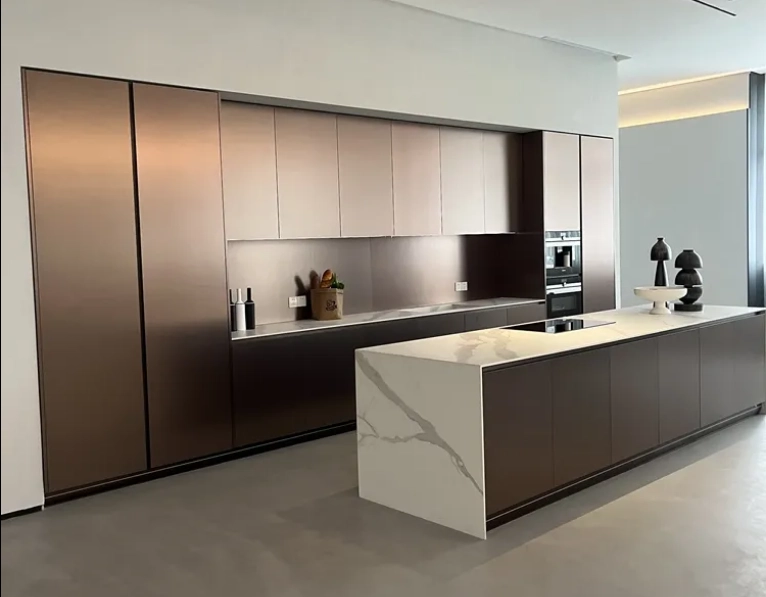
PET Metal Brass Kitchen Cabinet

Aluminum Frame Glass Door Kitchen Cabinet
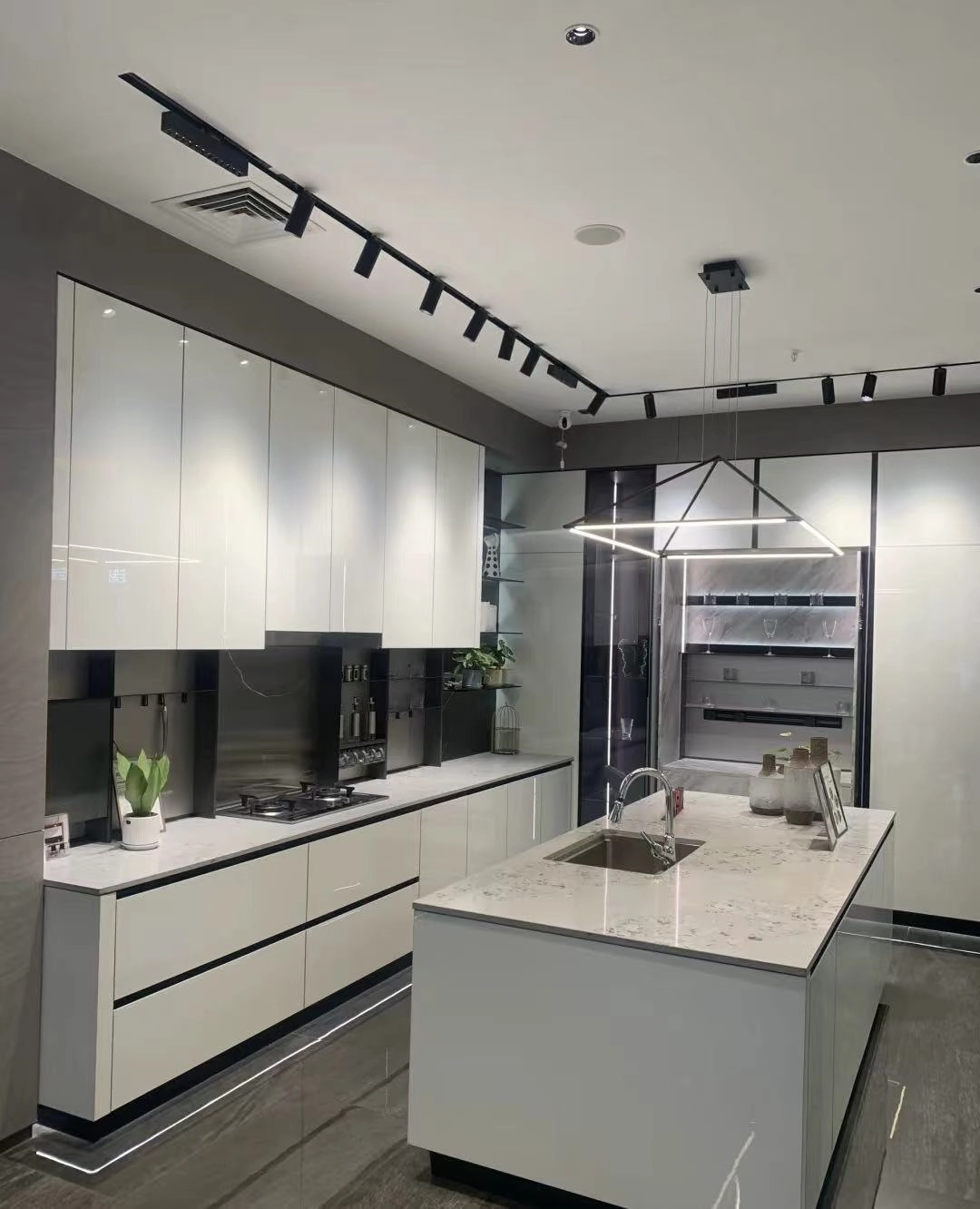
Custom Acrylic Laminate Kitchen Cabinets | Komox Smart Home | High-Gloss, Eco-Friendly, Durable

Custom Black & Gold Marble Modular Cabinet System
Request a Free Consultation And Price Estimate
Get in touch with Komox today for a personalized consultation, and let us bring your vision to life. Fill out the form below or contact Komox directly to start your journey toward a beautifully tailored home!"

Copyright © 2026 Komox All Rights Reserved.

Get a free quote
Hi,
Transform your space with MURANO's custom serve. Contact us for a personalized consultation and bring your vision to life. Start your journey to a tailored home today!
Have a specific project?
😎Hi,
-
If you are interested in our products/custom services or have any questions, please let us know so that we can better assist you.
Send my request
Hi,
Transform your space with MURANO's custom serve. Contact us for a personalized consultation and bring your vision to life. Start your journey to a tailored home today!
Custom Furniture Everyone’s Talking About!
😎Hi,
-
Create your dream space with our most popular custom designs — stylish, functional, and built to last.
Whatsapp: +8618274867221
Scan QR Code