
How Global Cabinet Brands Achieve Local Design Adaptation Without Compromising Production Efficiency
Global cabinet manufacturers face a dual challenge: maintaining global production efficiency while delivering locally relevant designs. Brands like IKEA, Boloni, and Komox Smart Home exemplify how strategic localization—through modular systems, smart technology, and cultural sensitivity—can drive global success. This article explores actionable strategies to balance scalability and customization.
1. Modular Design: The Backbone of Scalable Customization
Key Insight: Standardized modules + localized aesthetics = mass customization.
- Case Study: Boloni’s Mila Series uses 7 functional modules (e.g., adjustable shelves, glass-door cabinets) as a global base. In China, these modules are wrapped in New Chinese Style elements (e.g., bamboo textures, ink-painting backboards), achieving a 90% local design adaptation rate.
- Technology Integration: Komox employs AI-driven parametric design tools to auto-adjust module dimensions based on regional housing norms (e.g., smaller kitchens in Japan vs. larger spaces in the U.S.).
2. Smart Production: Bridging Global Lines and Local Demands
Key Insight: IoT and AI minimize waste while enabling flexibility.
- Flexible Manufacturing: Komox’s German HOMAG lines produce base cabinets globally, while regional hubs (e.g., Vietnam for Southeast Asia) add localized finishes. This reduces lead times by 40%.
- Data-Driven Forecasting: IKEA uses predictive analytics on regional e-commerce platforms (e.g., Tmall in China, Amazon in Europe) to pre-stock popular modules, cutting delivery times from 6 weeks to 72 hours.
3. Cultural Adaptation: Designing for Local Lifestyles
Key Insight: Functional innovation rooted in cultural insights.
- Religious & Social Needs: Komox’s Middle East line integrates prayer space storage (e.g., foldable prayer mats, Quran shelves) into kitchen cabinets, aligning with local customs.
- Aesthetic Localization: IKEA’s SVARTSJÖN series in Scandinavia uses light wood tones and minimalist hardware, while its Chinese counterpart (YIDOU) incorporates gold accents and jade-inspired handles for feng shui appeal.
4. Supply Chain Optimization: Regional Efficiency
Key Insight: Decentralized sourcing + centralized quality control.
- Local Material Procurement: Komox sources 60% of materials regionally (e.g., rubberwood in Southeast Asia, bamboo in China) to reduce costs and align with sustainability trends.
- Last-Mile Customization: Partnering with logistics firms like JD.com (China) and DHL (Europe), Komox offers on-site assembly services, turning semi-finished cabinets into fully customized units within 24 hours.
5. Case Study: IKEA’s Hybrid Model in China
IKEA’s collaboration with JD.com exemplifies global-local synergy:
- Global Base: Standardized cabinets produced in Europe.
- Local Adaptation: JD.com’s data reveals Chinese consumers prioritize storage efficiency and smart features. IKEA responds with:
- Modular Add-Ons: Pull-out pantries and LED-lit drawers.
- Tech Integration: Cabinets compatible with Xiaomi’s smart home ecosystem.
- Result: 30% sales surge in China’s premium cabinet market.
Conclusion: The Future of Global Cabinet Manufacturing
The winning formula lies in modular agility, data-driven localization, and culturally attuned innovation. Brands that treat global efficiency and local relevance as complementary—not conflicting—goals will dominate the $552.5 billion global cabinet market by 2033.
Call to Action: Invest in AI design tools, regional R&D hubs, and sustainable material partnerships to future-proof your brand.
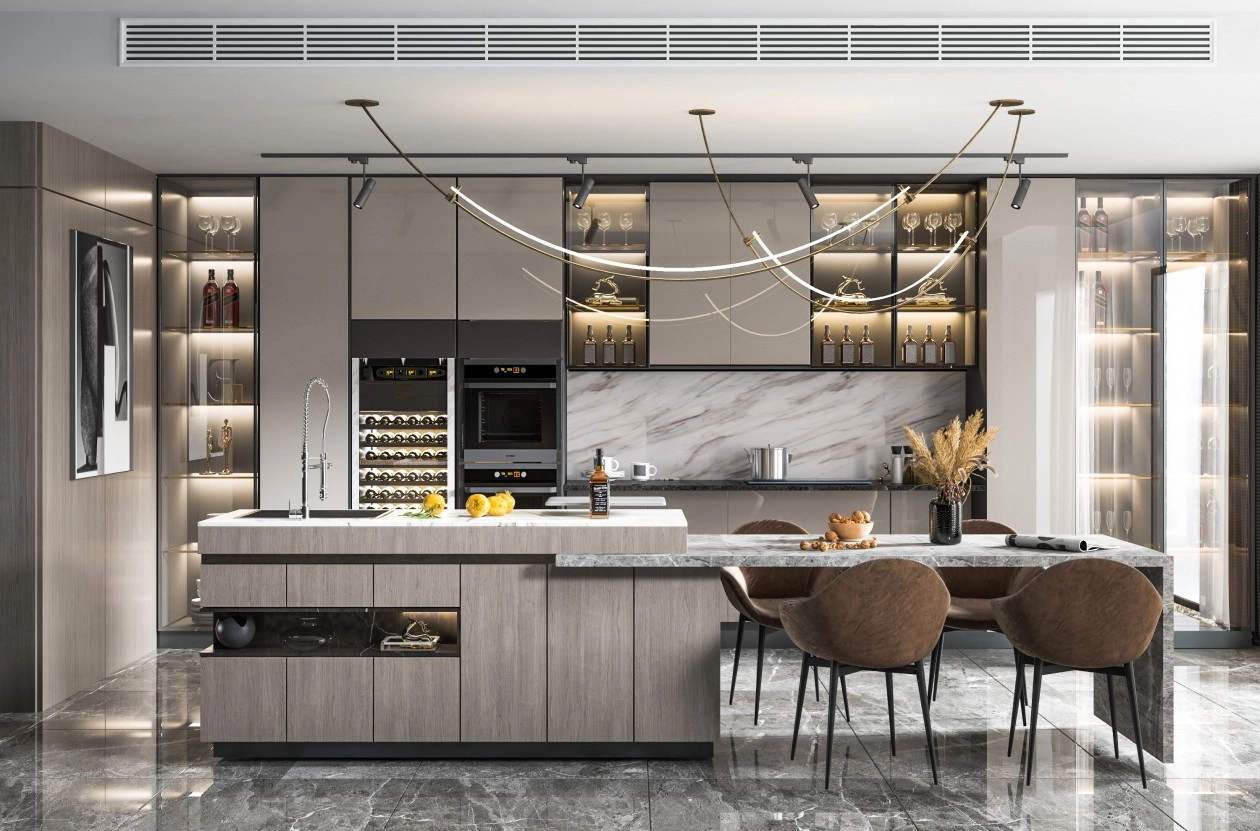
Maintenance Tips to Keep Your Custom Luxury Kitchen Cabinets Looking Brand New
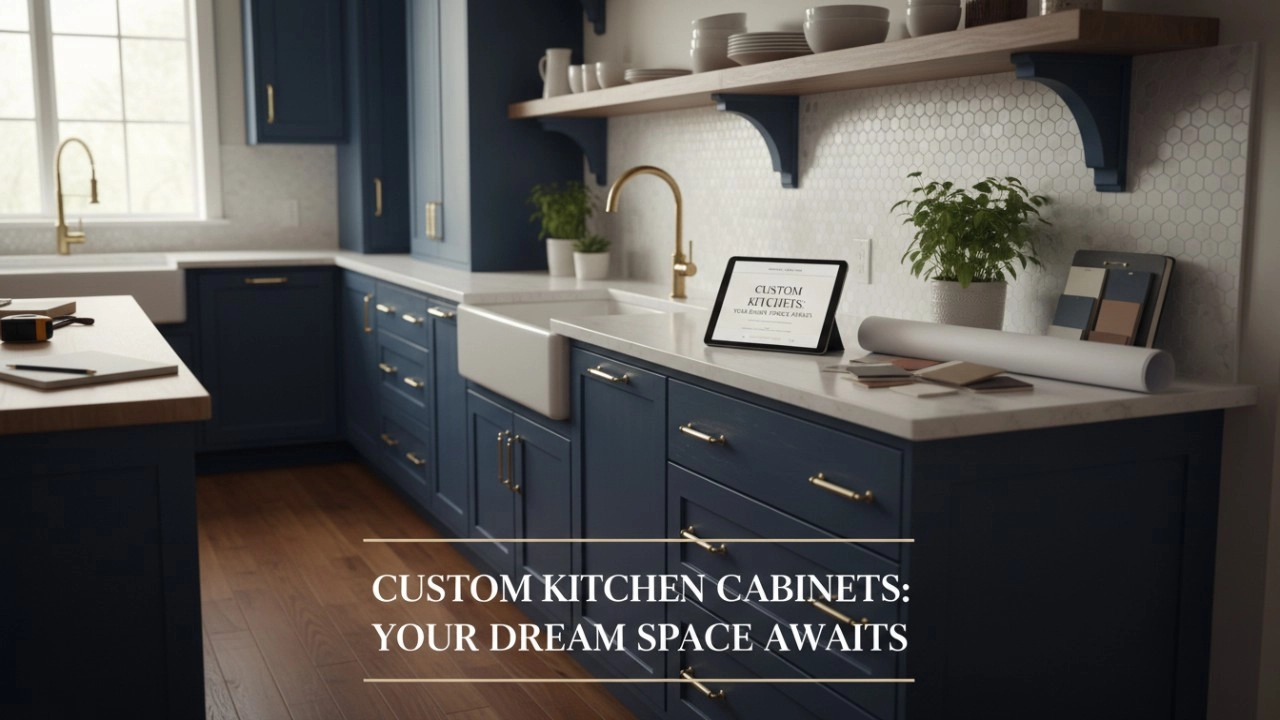
Custom Made Kitchen Cabinets vs. High-End Semi-Custom: The Definitive Quality & Durability Showdown (2026 Guide)

12 Reasons Why Custom Solid Wood Kitchen Cabinets Are the Only Investment That Truly Adds Value to Your Home
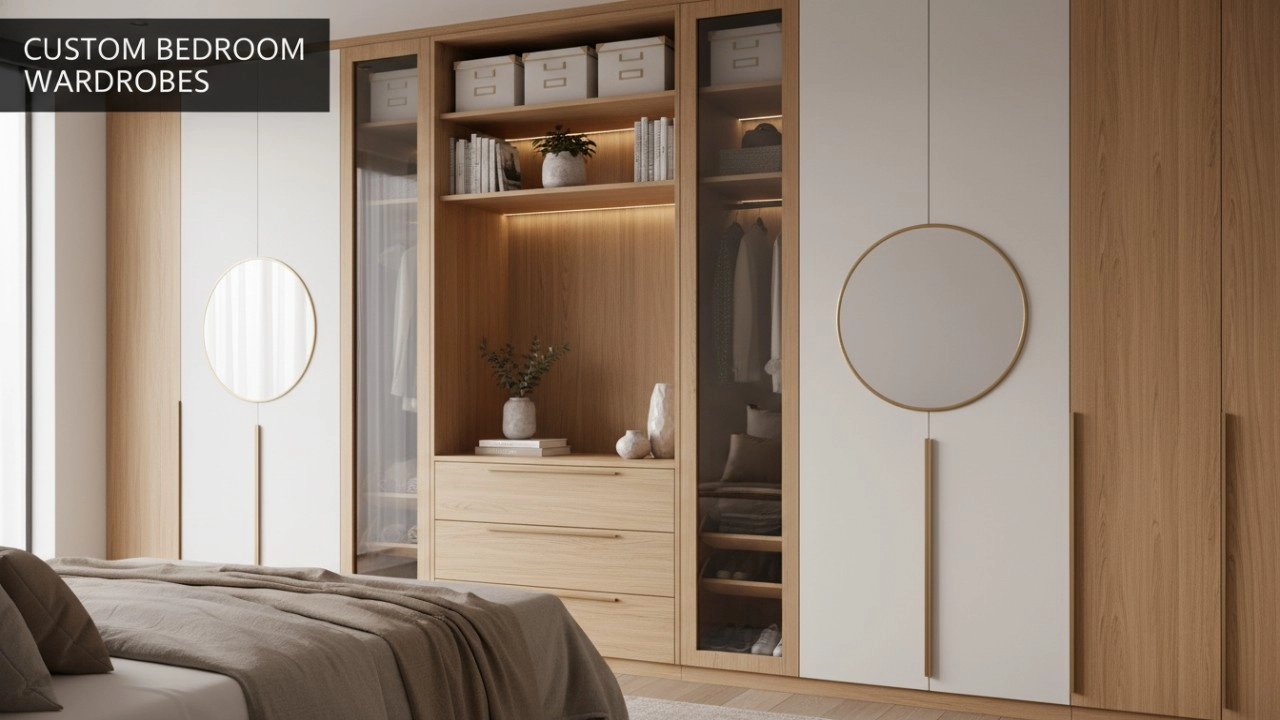
Bespoke Luxury: 7 Modern Trends in Custom Made Bedroom Wardrobes That Are Going Viral
FAQ
What's lead time for furniture cabinets?
It's about 20 - 30 days.
Can we produce products according to customer's room size?
Yes. All our cabinets are custom size.
What information are needed for getting a quote for our furniture cabinets?
Your size infomation or room drawings.
What's the payment terms of all our products?
T/T (30% inadvance, the balance shall be paid off before delivery), Western Union or L/C.
Can we ship the furniture cabinets to customer's port or city?
Yes. Please provide the city name or port name when you send us an inquiry.
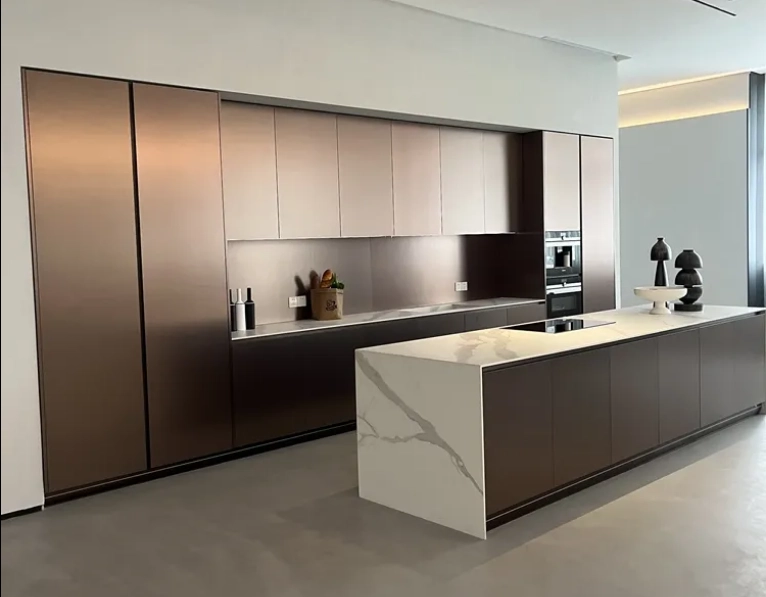
PET Metal Brass Kitchen Cabinet

Aluminum Frame Glass Door Kitchen Cabinet
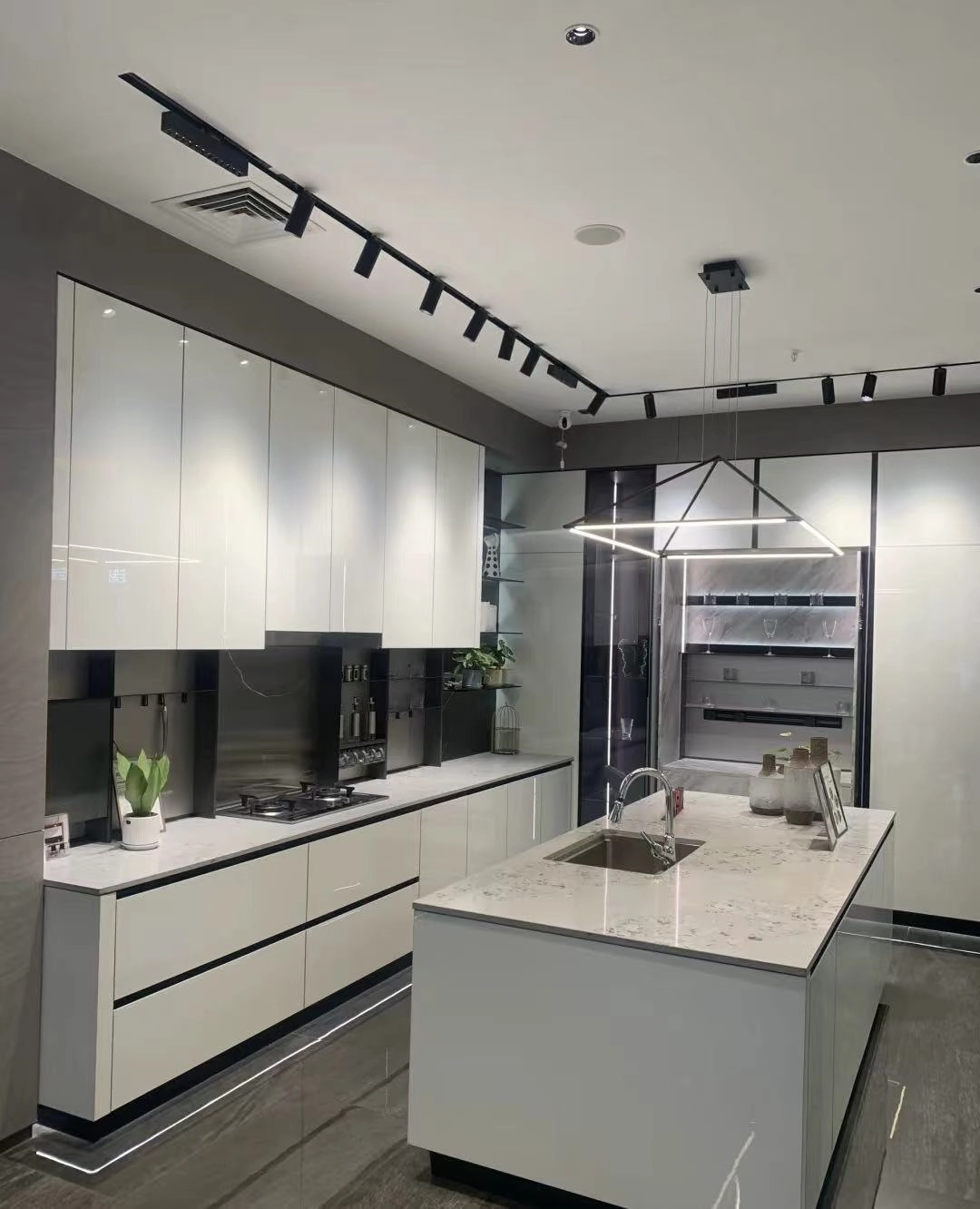
Custom Acrylic Laminate Kitchen Cabinets | Komox Smart Home | High-Gloss, Eco-Friendly, Durable

Custom Black & Gold Marble Modular Cabinet System
Request a Free Consultation And Price Estimate
Get in touch with Komox today for a personalized consultation, and let us bring your vision to life. Fill out the form below or contact Komox directly to start your journey toward a beautifully tailored home!"

Copyright © 2026 Komox All Rights Reserved.

Get a free quote
Hi,
Transform your space with MURANO's custom serve. Contact us for a personalized consultation and bring your vision to life. Start your journey to a tailored home today!
Have a specific project?
😎Hi,
-
If you are interested in our products/custom services or have any questions, please let us know so that we can better assist you.
Send my request
Hi,
Transform your space with MURANO's custom serve. Contact us for a personalized consultation and bring your vision to life. Start your journey to a tailored home today!
Custom Furniture Everyone’s Talking About!
😎Hi,
-
Create your dream space with our most popular custom designs — stylish, functional, and built to last.
Whatsapp: +8618274867221
Scan QR Code