
Sustainability Meets Customization: Eco-Friendly Materials Reshaping Cabinet Manufacturing
Sustainability Meets Customization: Eco-Friendly Materials Reshaping Cabinet Manufacturing
Introduction
The global furniture industry is undergoing a paradigm shift as consumers increasingly prioritize sustainability without compromising on personalization. Cabinet manufacturers are at the forefront of this transformation, blending eco-friendly materials with cutting-edge customization to meet demand for ethical, functional, and aesthetically pleasing solutions. This article explores how sustainability and customization are converging to redefine modern cabinet manufacturing.
1. The Rise of Eco-Conscious Consumerism
- Market Trends:
- The global sustainable furniture market is projected to reach $48.9 billion by 2030 (CAGR of 5.2%), driven by Gen Z and millennials.
- 73% of global consumers are willing to pay a premium for eco-friendly products (IBM Survey, 2023).
- Regulatory Pressures:
- EU’s Circular Economy Action Plan and California’s Formaldehyde Emissions Standards are pushing manufacturers to adopt greener practices.
2. Innovative Eco-Friendly Materials in Cabinet Production
Manufacturers are leveraging advanced materials to reduce environmental impact while maintaining durability and style:
- Recycled Composites:
- Post-consumer wood waste and plastic bottles are transformed into durable cabinet panels (e.g., EcoBoard by Austrian brand EGGER).
- Bamboo Fiber:
- Rapidly renewable and 50% lighter than traditional wood, bamboo-based cabinets (e.g., Komox’s Green Wardrobe Series) offer moisture resistance and carbon neutrality.
- Low-VOC Finishes:
- Water-based paints and natural oils (e.g., BioPaint) eliminate toxic emissions, aligning with indoor air quality standards.
3. Customization: The New Competitive Edge
Eco-friendly cabinets no longer sacrifice personalization. Advanced technologies enable:
- AI-Driven Design:
- Tools like SmartDraw and SketchUp allow customers to visualize cabinets in real-time, adjusting dimensions and materials.
- Modular Systems:
- IKEA’s KUNGSBACKA line uses recycled PET bottles for modular kitchen cabinets, offering flexible configurations for small spaces.
- Bespoke Finishes:
- Laser-engraved patterns on recycled glass (e.g., GlassApp’s EcoGlass) provide unique aesthetics without resource waste.
4. Case Studies: Leading the Charge
- SieMatic (Germany):
- Achieved carbon-neutral production by using FSC-certified wood and solar energy. Their “Behind the Times” collection features recycled metal handles.
- Komox Smart Home (China):
- Launched a “Zero-Waste Wardrobe” line using bamboo-fiber panels and low-VOC adhesives, reducing material waste by 30%.
- California Closets (USA):
- Integrates recycled PET cores into custom closet systems, diverting 12,000 tons of plastic from landfills annually.
5. Challenges and Solutions
- Cost Barriers:
- Eco-friendly materials can cost 15–20% more. Solution: Economies of scale through mass customization (e.g., 3D knitting for textile-covered cabinet doors).
- Supply Chain Complexity:
- Blockchain platforms like Provenance track material origins, ensuring transparency from forest to factory.
6. The Future of Sustainable Cabinet Manufacturing
- Circular Economy Models:
- Take-back programs (e.g., Herman Miller’s “From Cradle to Cradle”) will dominate, with old cabinets recycled into new products.
- Biophilic Design:
- Integration of living materials like mycelium-based foam for insulation and soundproofing.
Conclusion
The fusion of sustainability and customization is not just a trend—it’s a necessity. Manufacturers that prioritize eco-friendly materials and adaptive design will lead the $200 billion global cabinet market by 2030. As consumers demand ethical, personalized solutions, the industry must innovate relentlessly to balance profitability with planetary responsibility.
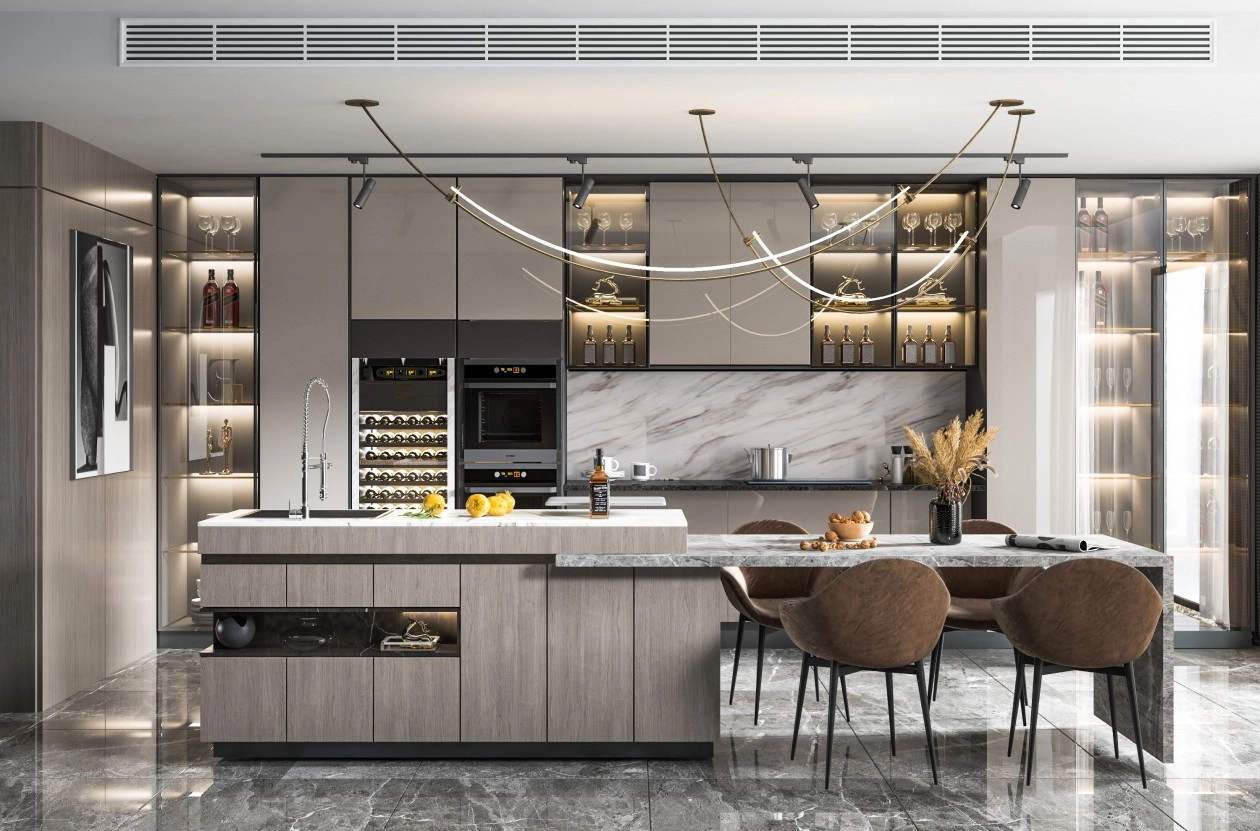
Maintenance Tips to Keep Your Custom Luxury Kitchen Cabinets Looking Brand New
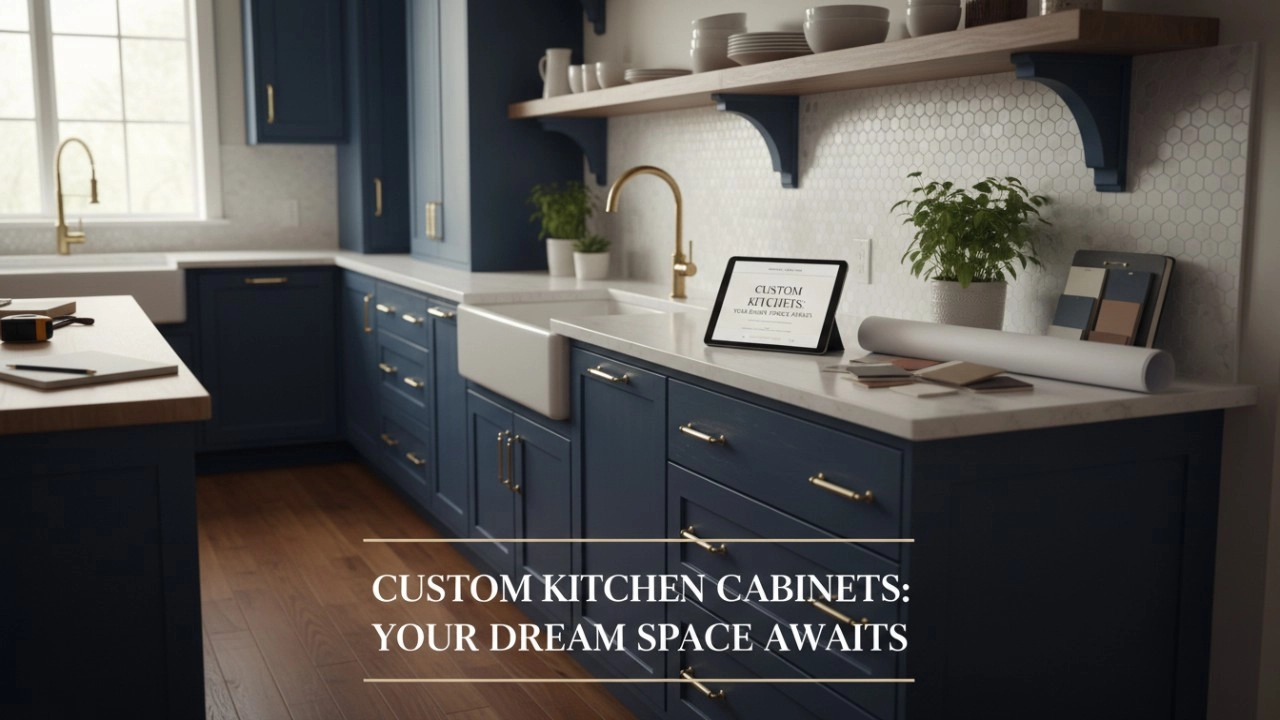
Custom Made Kitchen Cabinets vs. High-End Semi-Custom: The Definitive Quality & Durability Showdown (2026 Guide)

12 Reasons Why Custom Solid Wood Kitchen Cabinets Are the Only Investment That Truly Adds Value to Your Home
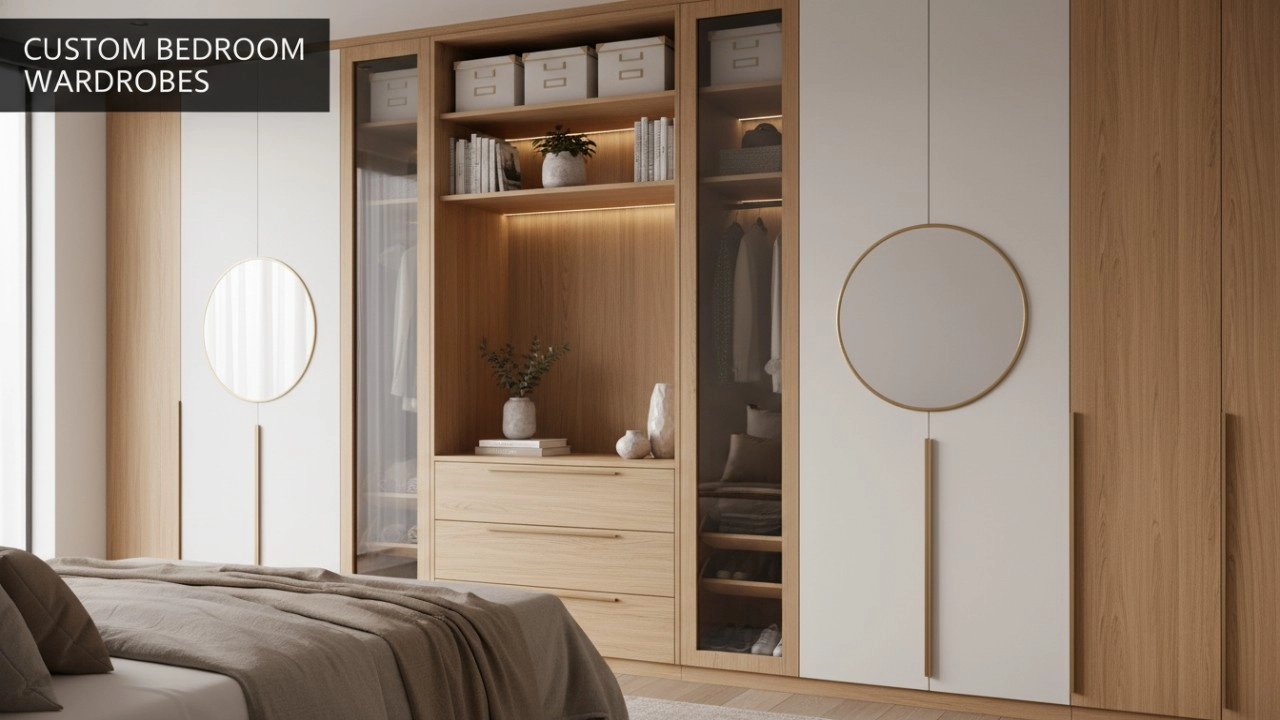
Bespoke Luxury: 7 Modern Trends in Custom Made Bedroom Wardrobes That Are Going Viral
FAQ
What's lead time for furniture cabinets?
It's about 20 - 30 days.
Can we produce products according to customer's room size?
Yes. All our cabinets are custom size.
What information are needed for getting a quote for our furniture cabinets?
Your size infomation or room drawings.
What's the payment terms of all our products?
T/T (30% inadvance, the balance shall be paid off before delivery), Western Union or L/C.
Can we ship the furniture cabinets to customer's port or city?
Yes. Please provide the city name or port name when you send us an inquiry.
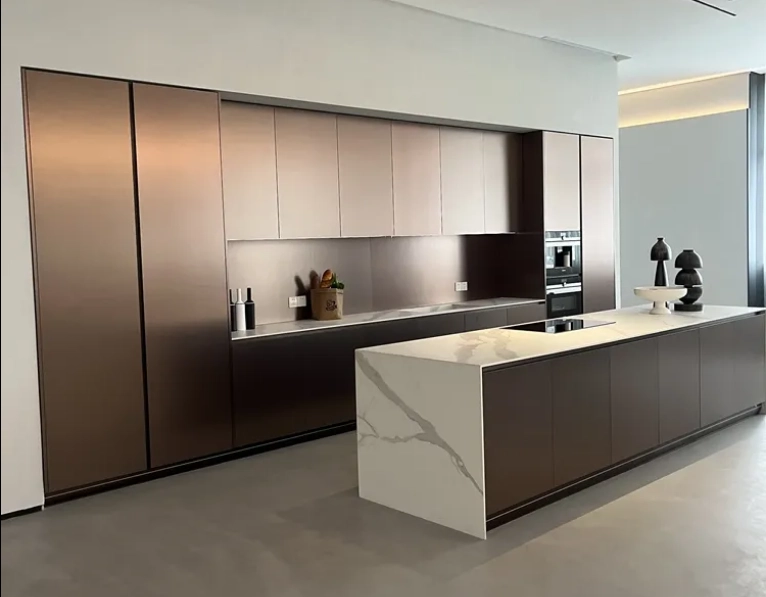
PET Metal Brass Kitchen Cabinet

Aluminum Frame Glass Door Kitchen Cabinet
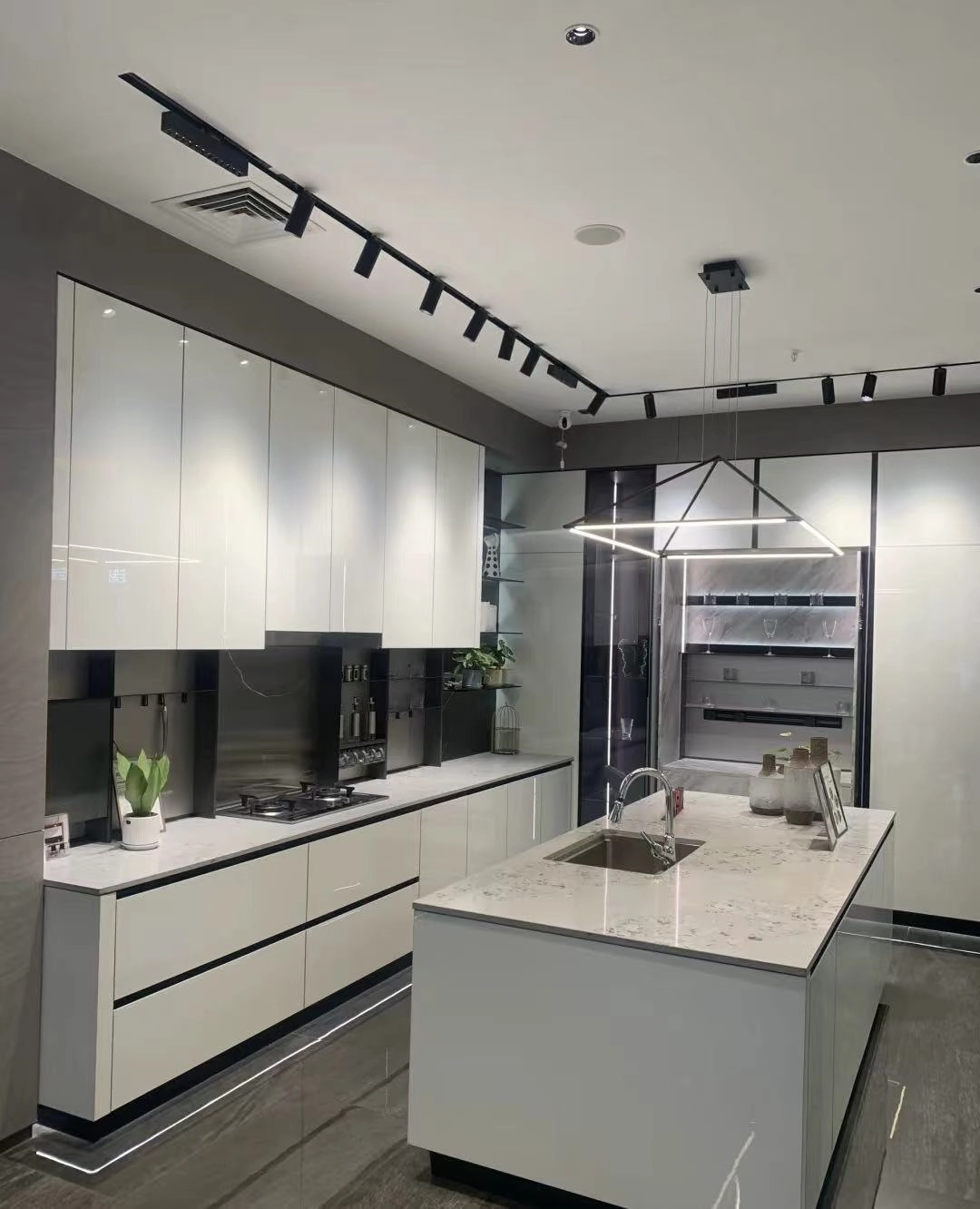
Custom Acrylic Laminate Kitchen Cabinets | Komox Smart Home | High-Gloss, Eco-Friendly, Durable

Custom Black & Gold Marble Modular Cabinet System
Request a Free Consultation And Price Estimate
Get in touch with Komox today for a personalized consultation, and let us bring your vision to life. Fill out the form below or contact Komox directly to start your journey toward a beautifully tailored home!"

Copyright © 2026 Komox All Rights Reserved.

Get a free quote
Hi,
Transform your space with MURANO's custom serve. Contact us for a personalized consultation and bring your vision to life. Start your journey to a tailored home today!
Have a specific project?
😎Hi,
-
If you are interested in our products/custom services or have any questions, please let us know so that we can better assist you.
Send my request
Hi,
Transform your space with MURANO's custom serve. Contact us for a personalized consultation and bring your vision to life. Start your journey to a tailored home today!
Custom Furniture Everyone’s Talking About!
😎Hi,
-
Create your dream space with our most popular custom designs — stylish, functional, and built to last.
Whatsapp: +8618274867221
Scan QR Code