
MDF vs Plywood: Which Material Is Stronger? Comprehensive Strength Comparison
A detailed analysis comparing the strength properties of MDF (Medium-Density Fiberboard) and plywood, incorporating professional testing data and scenario-specific application guidelines. This guide helps you make informed decisions for durable, aesthetically pleasing custom furniture solutions.
1. Introduction: The Core Dilemma of Material Selection
In the custom furniture industry, MDF (Medium-Density Fiberboard) and plywood are two dominant materials. Users often ask: which one is stronger? This article provides a three-dimensional comparison through structural characteristics, mechanical properties, and applicable scenarios, supported by authoritative standards and empirical data, to reveal the truth about strength.
2. Material Characteristics and Strength Analysis
2.1 Structural Differences Define Performance Boundaries
- MDF: Manufactured by compressing wood fibers and synthetic resins under high pressure, it features uniform density (0.65-0.8g/cm³), smooth surface without burrs, suitable for cutting and carving. However, it has poor moisture resistance, prone to swelling in humid environments. Its static bending strength ranges from 14-30MPa, with screw holding capacity (panel ≥1100N, edge ≥700N), ideal for non-load-bearing decorative parts.
- Plywood: Composed of multiple thin wood veneers cross-laminated and bonded, it exhibits anisotropic tensile strength, with a bending elastic modulus (1800-2800MPa) significantly higher than MDF. Its moisture resistance is excellent (water absorption thickness swelling rate <8%), with superior screw holding strength, suitable for load-bearing frameworks, flooring, and other structural applications.
2.2 Authoritative Data Validates Strength Disparity
According to GB/T 11718-2009 Standard for Medium-Density Fiberboard, furniture-grade MDF requires a static bending strength of ≥14MPa. Plywood, however, typically exceeds 20MPa in static bending strength (e.g., 18mm thick plywood reaches 28MPa). In deformation resistance tests, plywood demonstrates superior dimensional stability in humid environments, making it more suitable for high-moisture scenarios like kitchens and bathrooms.
3. Scenario-Based Material Selection Guide
- MDF Applicable Scenarios: Cabinet doors, decorative panels, modern minimalist furniture (e.g., flat-panel cabinets). Advantages include ease of processing, smooth surface finish, and cost-effectiveness (approximately 60-80% of plywood cost). Requires moisture-proof treatment, recommended to pair with waterproof coatings or edge sealing techniques.
- Plywood Applicable Scenarios: Kitchen cabinet carcasses, load-bearing shelves, outdoor furniture. Its multi-layered structure disperses stress, reducing cracking risk. Environmental compliance (e.g., E0 grade) is easier to achieve, suitable for long-term load-bearing requirements.
4. Environmental and Cost-Benefit Analysis
MDF utilizes urea-formaldehyde resins, necessitating attention to formaldehyde emissions (select E1/E0 grades). Plywood, made from natural wood layers, offers superior environmental performance. Cost-wise, MDF prices range from 80-150 yuan per sheet (18mm thickness), while plywood costs 120-250 yuan per sheet. However, plywood’s durability provides better long-term value.
5. Conclusion: Balancing Performance and Cost Through Informed Selection
- For strength and durability: Choose plywood, especially for load-bearing structures and humid environments.
- For design flexibility and cost efficiency: Opt for MDF, complemented by eco-friendly processes and moisture-proof treatments.
- Ultimate Recommendation: Adopt a hybrid approach for complex projects—use plywood for structural stability in cabinet carcasses and MDF for intricate door designs, achieving both strength and aesthetics.
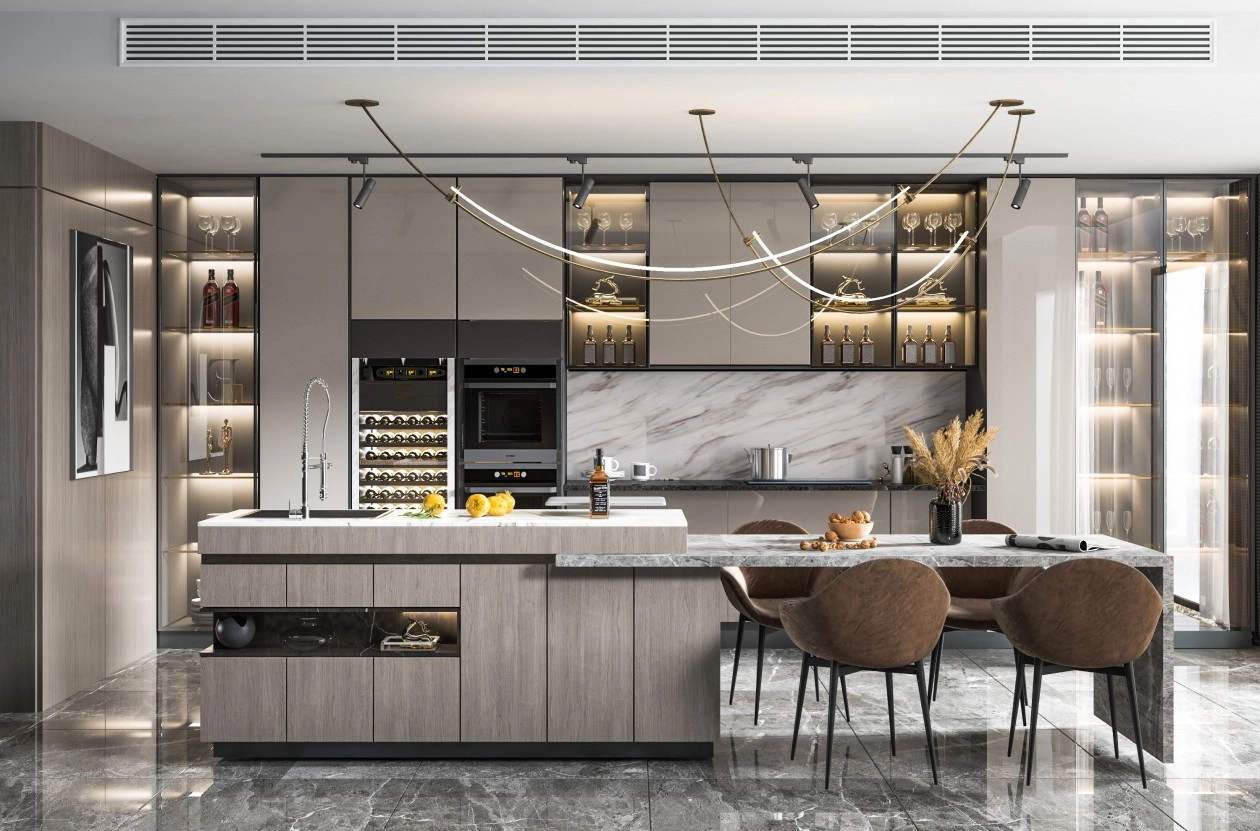
Maintenance Tips to Keep Your Custom Luxury Kitchen Cabinets Looking Brand New
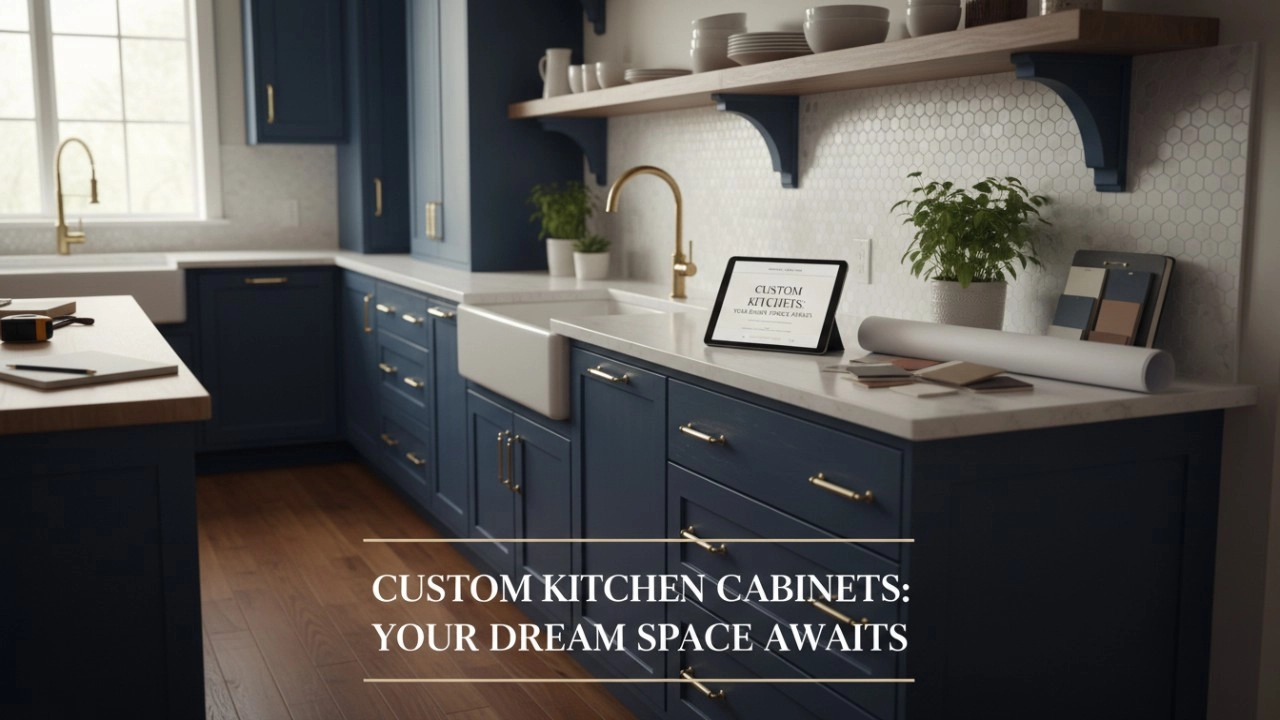
Custom Made Kitchen Cabinets vs. High-End Semi-Custom: The Definitive Quality & Durability Showdown (2026 Guide)

12 Reasons Why Custom Solid Wood Kitchen Cabinets Are the Only Investment That Truly Adds Value to Your Home
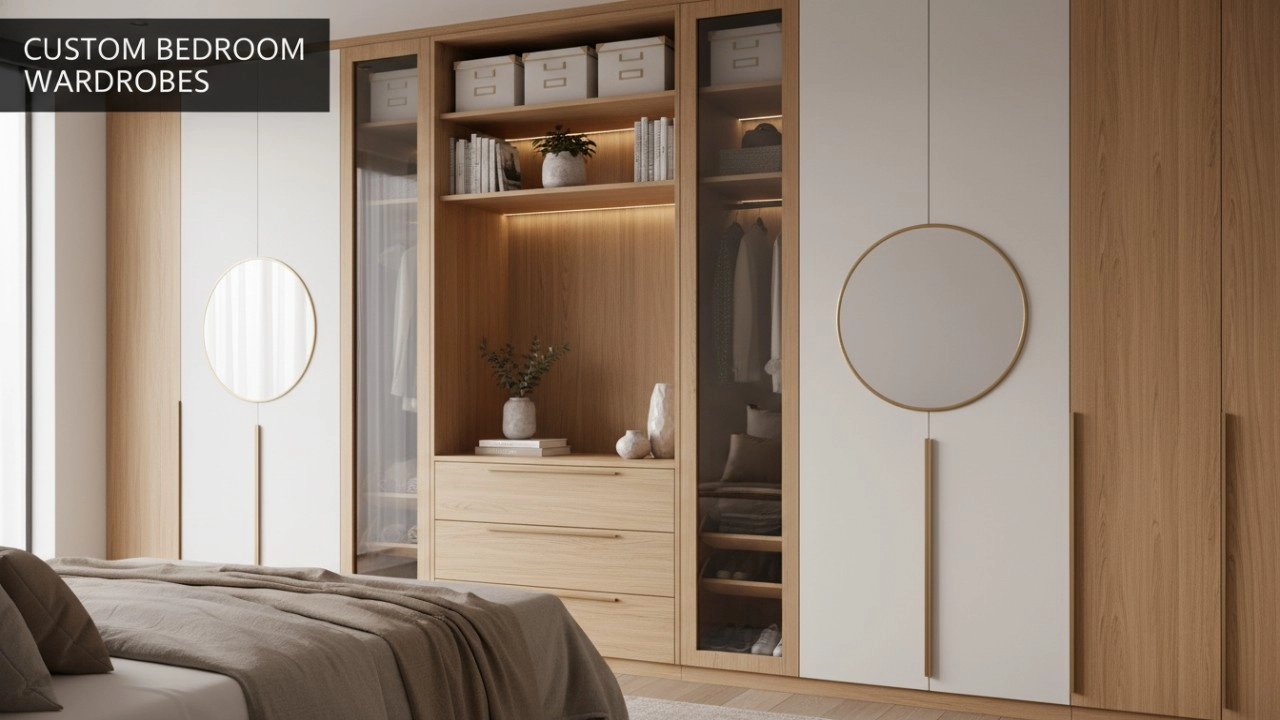
Bespoke Luxury: 7 Modern Trends in Custom Made Bedroom Wardrobes That Are Going Viral
FAQ
What's lead time for furniture cabinets?
It's about 20 - 30 days.
Can we produce products according to customer's room size?
Yes. All our cabinets are custom size.
What information are needed for getting a quote for our furniture cabinets?
Your size infomation or room drawings.
What's the payment terms of all our products?
T/T (30% inadvance, the balance shall be paid off before delivery), Western Union or L/C.
Can we ship the furniture cabinets to customer's port or city?
Yes. Please provide the city name or port name when you send us an inquiry.
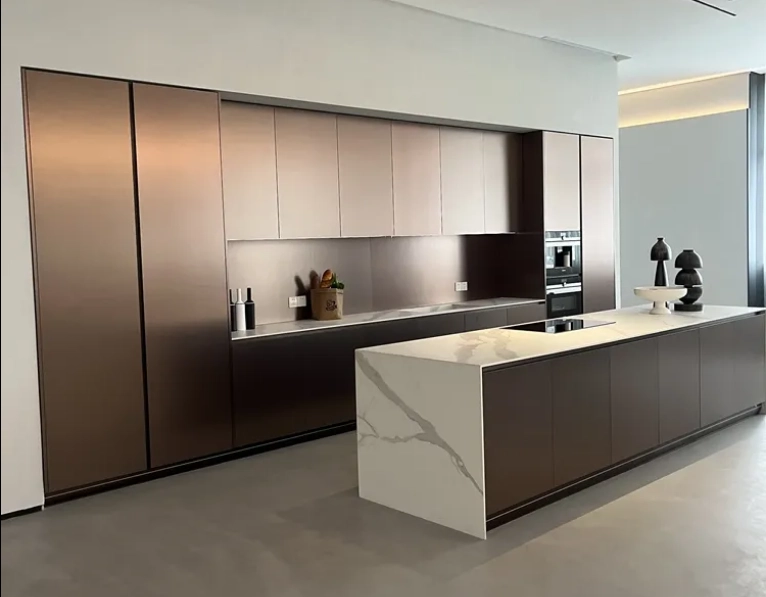
PET Metal Brass Kitchen Cabinet

Aluminum Frame Glass Door Kitchen Cabinet
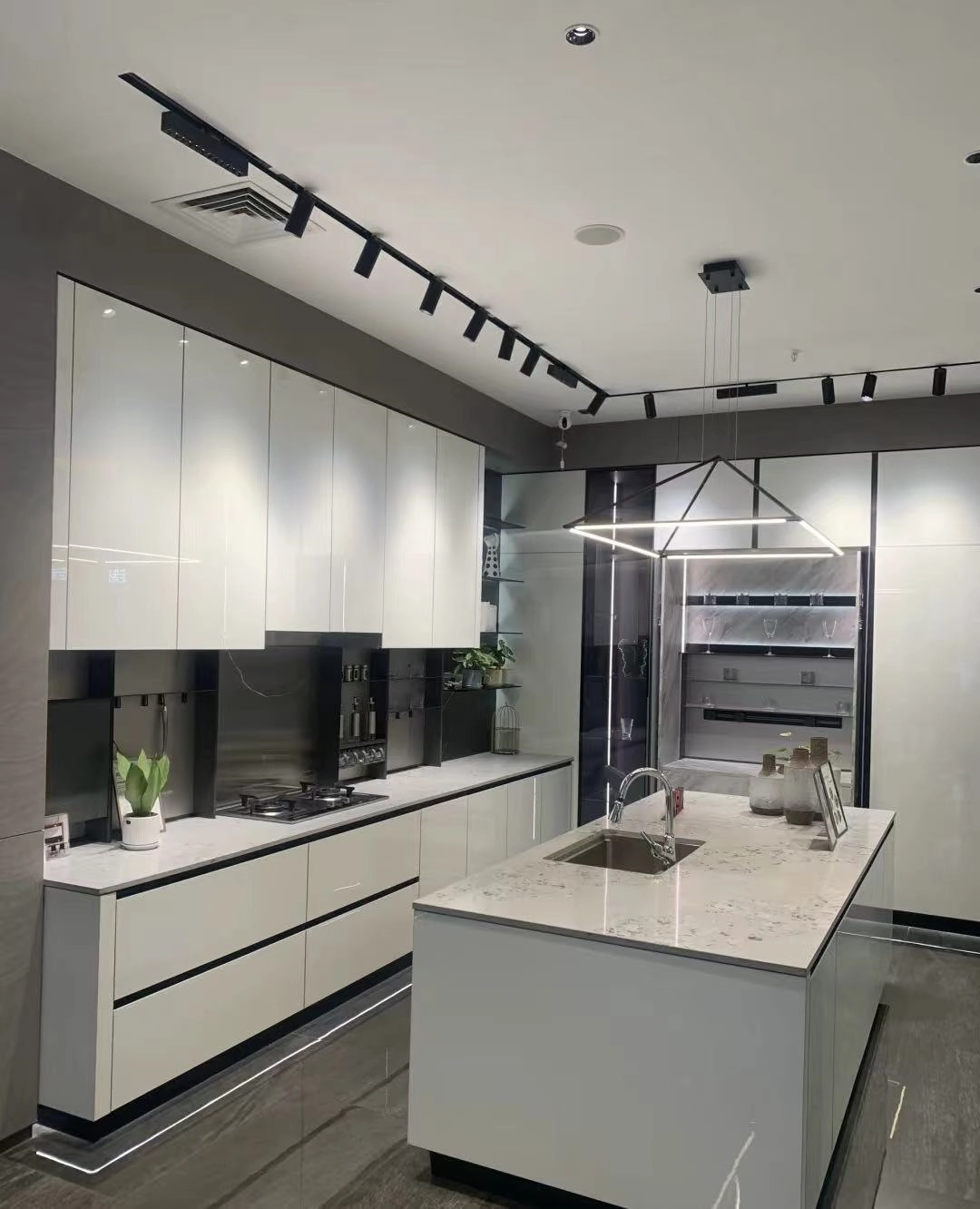
Custom Acrylic Laminate Kitchen Cabinets | Komox Smart Home | High-Gloss, Eco-Friendly, Durable

Custom Black & Gold Marble Modular Cabinet System
Request a Free Consultation And Price Estimate
Get in touch with Komox today for a personalized consultation, and let us bring your vision to life. Fill out the form below or contact Komox directly to start your journey toward a beautifully tailored home!"

Copyright © 2026 Komox All Rights Reserved.

Get a free quote
Hi,
Transform your space with MURANO's custom serve. Contact us for a personalized consultation and bring your vision to life. Start your journey to a tailored home today!
Have a specific project?
😎Hi,
-
If you are interested in our products/custom services or have any questions, please let us know so that we can better assist you.
Send my request
Hi,
Transform your space with MURANO's custom serve. Contact us for a personalized consultation and bring your vision to life. Start your journey to a tailored home today!
Custom Furniture Everyone’s Talking About!
😎Hi,
-
Create your dream space with our most popular custom designs — stylish, functional, and built to last.
Whatsapp: +8618274867221
Scan QR Code